
Menu
Oak Wilt in NJ: When to Avoid Pruning
Tree Pruning West New York
Trees are among the most valuable features in West New York’s residential landscape due to their size and beauty; large mature oak trees are visible along Boulevard East, and other mature oak trees add value to all of Hudson County’s residential landscapes. While improper timing for tree pruning may lead to oak wilt, a severe fungal infection that is threatening oak tree populations in the northeastern US avoiding pruning during the time of year in which oak trees are feeding their sap will protect one of the largest components of one’s investment in oak trees and maintain the urban forest cover that contributes to the identity of the neighborhood around James J. Braddock Park and other nearby neighborhoods.
Understanding Oak Wilt and Its Threat to New Jersey
The Disease and Its Impact
Oak wilt is a fungal disease, Bretziella fagacearum, that causes damage to the xylem and disrupts water conduction in the vascular system of trees. When trees cannot get water and nutrients to their canopies, they begin to rapidly decline and eventually die, primarily in red oak species. Although there are no confirmed cases in NJ, the disease has been found in PA and NY, so it is likely that it will eventually reach NJ.
The red oak group, which includes NJ’s official state tree, the northern red oak, the scarlet oak, the pin oak, and the black oak, is at the highest risk for developing oak wilt. Red oaks can die in a matter of weeks to months after being infected, while white oak group species are more resistant, but still sustain considerable damage. Due to the rapid progression and high mortality rates associated with oak wilt, the prevention of oak wilt through proper timing of tree pruning is absolutely crucial.
Mechanisms of Oak Wilt Disease Transmission
There are two main ways oak wilt is transmitted: above ground via sap-feeding beetles and below ground through interconnected root systems. The primary vector of new infections is sap-feeding beetles in the Nitidulidae family. They pick up fungal spores from infected trees and transport them to other healthy trees. Beetles are incredibly sensitive to smells and will find open wound surfaces in as little as 15 minutes to feed on the sugary sap.
The below-ground transmission is through root grafts between oak trees that are in proximity to one another. Once the fungus is established in one tree, it can easily move through these natural connections to infect the rest of the oak population that is connected to the infected tree. This is a major concern because many mature neighborhoods in West New York have large numbers of interconnected oak trees.
Timing of High-Risk Beetle Activity in NJ
Patterns of Beetle Activity
Beetle activity increases when spring weather warms the soil and air enough for them to emerge from their overwintering sites. Studies indicate that adult beetles overwinter as adults in soil and debris near the base of the trees and stumps and emerge in the spring (early April or late May) when they are attracted to decaying organic material and wounds in trees.
The high-risk period for NJ generally lasts from early April to late October, with the peak of activity occurring in the spring and early summer. Degree days are the most reliable way to determine when the temperature has accumulated enough to activate beetles to the point of posing a transmission risk. Snow cover can delay the emergence of beetles, as was seen during the record-breaking April snowfall in past years.
Factors Affecting the Timing and Intensity of Oak Wilt Risks
Several factors affect the timing and the extent of oak-wilt risk periods. Both favorable temperatures and humidity levels favor the activity of beetles and spore production of the fungus, while dry weather can decrease the risk of transmission, but does not eliminate the risk. Neighborhoods located near the Palisades and other areas with high concentrations of oak trees face a higher risk of oak wilt due to higher populations of beetles and a greater opportunity for tree-to-tree transmission.
Beetle emergence in the spring coincides with the time of year when oak trees are most susceptible to infection due to the active sap flow and the likelihood of having an open wound. The combination of active insect vectors and optimal tree conditions produces the perfect environment for oak-wilt transmission during the growing season.
When Can I Safely Prune My Oaks?
Window of Opportunity for Safe Pruning of Oak Trees
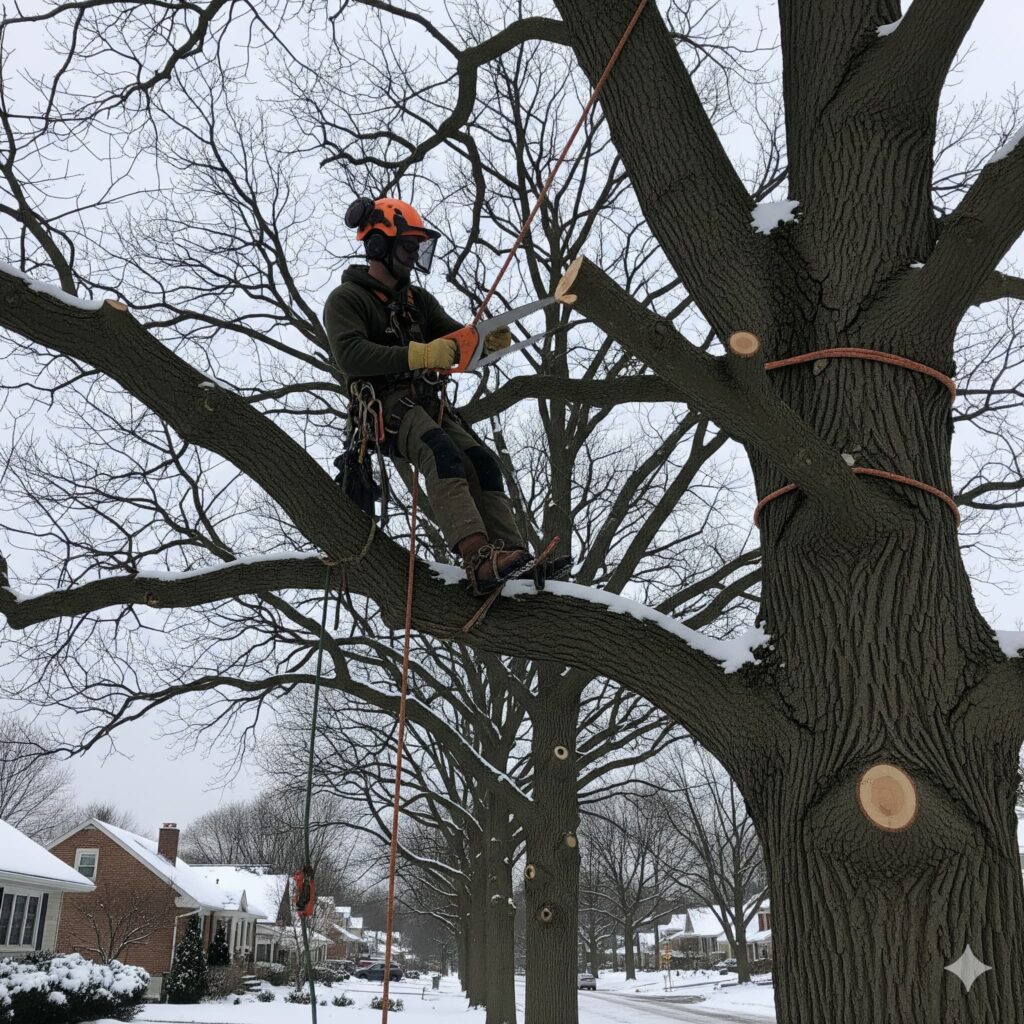
The safest time for oak tree pruning is during the tree’s dormant season, which in general is from December to February in NJ. The reason that the dormant season is safer is twofold. Firstly, the sap-feeding beetles are not active during the dormant season and therefore are not capable of transmitting the fungus to the tree. Secondly, the low sap flow during the dormant season reduces the attractiveness of the tree to any insects that may be active during the mild winter months.
Pruning trees during the dormant season offers many advantages beyond the prevention of oak wilt. Since the tree is dormant, the pruning wounds heal faster, and the tree experiences less shock from pruning. Also, since the tree is not producing leaves, you can clearly see the branching pattern of the tree and prune more accurately. We perform our routine maintenance during the optimal time frame of the year, maximizing the benefit to the tree’s health while minimizing the risk of oak-wilt infection.
Emergency Pruning
Sometimes emergency tree pruning is required to mitigate hazards from damaged trees or to repair damaged limbs that pose a hazard to people or property. If emergency pruning is required between April and October, it is extremely important to immediately apply a protective coating to the fresh pruning wound. Latex house paint applied to the wound within 15 minutes of cutting will act as a physical barrier to prevent the sap-feeding beetles from accessing the flowing sap and thereby prevent the transmission of oak wilt.
If emergency pruning is required, property owners should never attempt to do it themselves, as improper technique or delayed treatment could result in severe infection risks. Arborists who specialize in pruning oak trees during the high-risk period will have the necessary training, equipment, and knowledge to properly treat wounds during this time.
Best Practices for Tree Pruning
Techniques of Proper Pruning
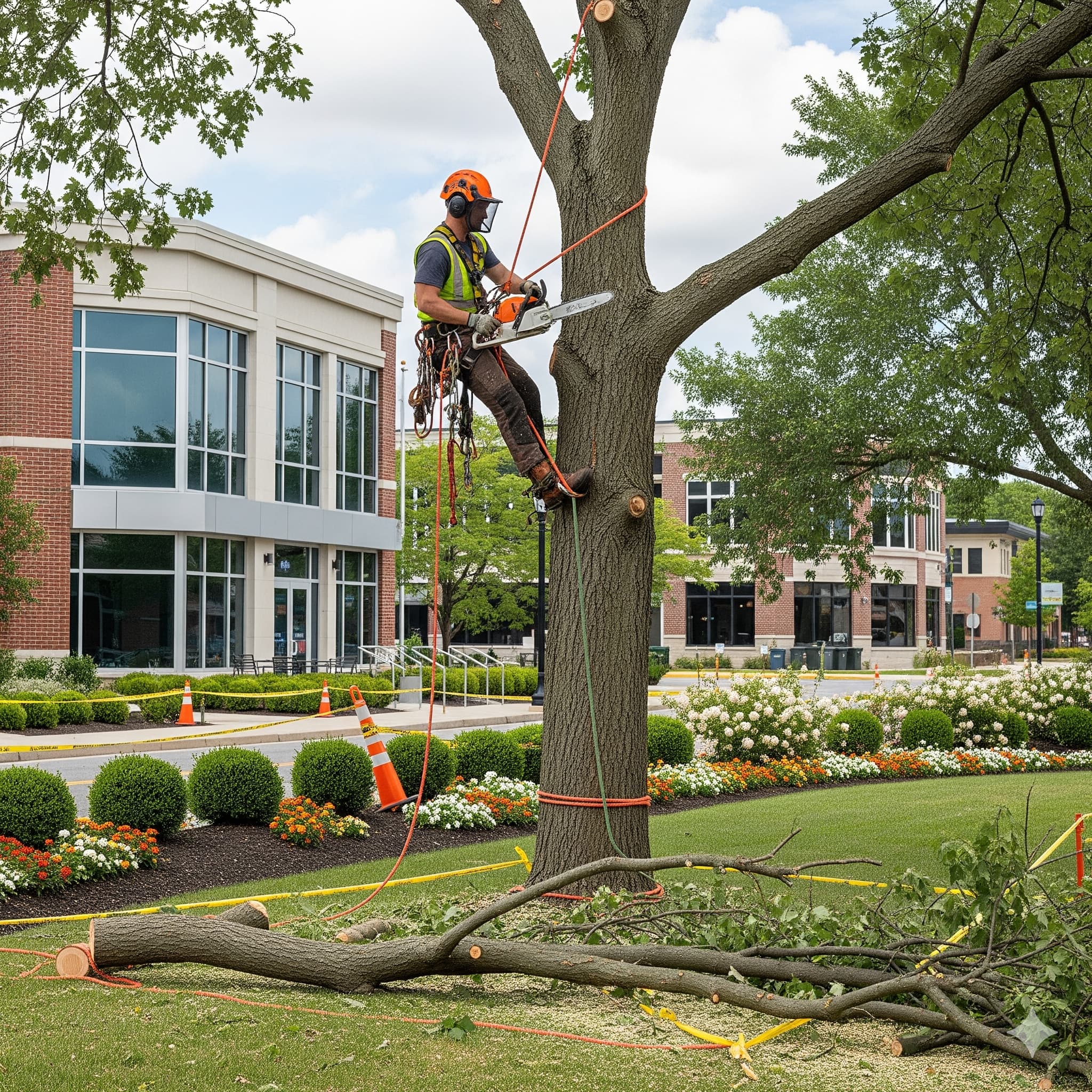
Proper pruning techniques will minimize the size of the wound and encourage rapid healing, decreasing the length of time that the tree is vulnerable to oak-wilt infection. Arborists trained in proper pruning techniques make cuts just beyond the branch collar and branch bark ridge, allowing the tree to naturally defend itself and form a callous over the wound. This technique, used in conjunction with proper timing, is the best means of providing protection from the transmission of oak wilt.
A three-cut method of removing larger branches prevents bark stripping and subsequently creates a large surface area of open wound that is attractive to sap-feeding beetles. An undercut is made first to prevent bark stripping, then a second cut is made to remove weight from the branch, and lastly, a final cut is made at the correct location. The execution of this method requires training and equipment that only a professional can provide.
Protocols for Sanitizing Tools
The sanitization of tools used to cut into trees is an important step in preventing the unintentional transmission of disease through contaminated equipment. All cutting tools are sanitized with a bleach solution (1:10 ratio) or rubbing alcohol before and after use on each oak tree. This protocol is especially important when working with multiple properties or when working on trees that display signs of stress or decline.
Sanitization extends beyond cutting tools to include all equipment that comes into contact with the tree tissue, such as rope, climbing equipment, and debris-handling equipment. Comprehensive sanitation protocols help prevent the unintentional spread of not only oak wilt but also other tree diseases that can be transmitted through contaminated equipment.
Identifying Symptoms of Oak Wilt
Early Warning Signs
Prompt recognition of oak-wilt symptoms will allow for quick action that can minimize the transmission of oak wilt to surrounding trees. Initial symptoms of oak wilt in red-oak species include leaf bronzing or browned leaf tips, and discoloration begins at the leaf margins and continues towards the midvein. Many of the leaves appear bronze-colored and water-soaked, even in times of drought.
Symptoms of oak wilt differ in white-oak species. White oaks develop yellowing and wilting leaves at a slower pace than red oaks. Unfortunately, the variability in symptom expression in white oaks makes professional identification of oak wilt essential for accurate diagnosis. Because of this variation, property owners in neighborhoods with diverse oak populations along Bergenline Avenue and other older established communities should observe their trees regularly for any unexplained changes in leaf color or wilt.
Advanced Indicators of Oak Wilt
Additional symptoms of oak wilt develop as the disease advances. Some of the advanced symptoms include premature defoliation, branch dieback, and the development of spore-bearing mats under the bark of dead trees. Dead trees produce spore mats that give off a sweet, fruit-like aroma that attracts sap-feeding beetles, which in turn perpetuate the transmission cycle to nearby healthy trees.
Rapid tree mortality is an indicator that oak wilt is present. Mortality in red oaks can occur in as little as weeks after symptoms of oak wilt appear, which further emphasizes the need for prompt professional diagnosis and treatment when symptoms appear on your property in West New York.
Strategies for Preventing Oak Wilt
Methods of Landscape Management That Help to Prevent Oak Wilt
Oak-wilt prevention methods extend far beyond pruning timing to include methods of managing the landscape. Any damage to oak bark during the growing season will create an entry point for disease-spreading beetles. Therefore, lawn mowing and string trimming around oak trees should be done carefully to avoid damaging the bark, and any construction work should be done carefully to avoid damaging the bark. Climbing oak trees with spikes can damage the bark and create a hole in the tree trunk through which disease-spreading beetles can enter the tree.
Protecting the root system of oak trees through the use of proper mulching and watering will help to keep the tree healthy and strong, while avoiding any actions that could damage the roots or cause undue stress to the tree. Strong, healthy trees are able to resist the establishment and progression of oak-wilt disease much better than weak, stressed trees, thus making the overall maintenance of tree health an important part of any prevention strategy.
Community-Wide Oak Wilt Prevention
Because oak-wilt disease can spread through the interconnected root systems of oak trees, community-wide prevention efforts are necessary. Property owners in Hudson County should collaborate with their neighbors about the care and management of their oak trees, particularly if their oak trees are growing near the property lines and could potentially connect through the roots.
Restrictions on the movement of firewood can help to prevent the long-distance spread of oak-wilt disease. Infected oak firewood can harbor the fungus and attract disease-spreading beetles to new areas. Property owners should purchase their firewood from a local supplier and refrain from moving oak firewood from areas where oak wilt has been identified, according to the firewood movement restrictions in place in NJ, which restrict movement to within 50 miles of the original location.
Consulting with Professionals
Due to the complexities of oak-wilt disease prevention and the severity of the consequences of failing to protect valuable oak trees, consulting with certified arborists is the best course of action for determining how to prune your oak trees. Certified arborists are knowledgeable about the local disease risks, optimal timing, and the proper techniques to minimize the risk of oak-wilt transmission while maximizing tree health.
At Tree Care Pros West New York, we continually update our knowledge base of the most recent research related to oak-wilt prevention and provide recommendations based on the specific characteristics of each property. Our staff is equipped with the specialized equipment and supplies needed to perform emergency pruning during the high-risk period.
Economic Benefits of Prevention
The costs of taking preventative measures pale in comparison to the losses resulting from oak-wilt disease infection. Established neighborhoods with mature oak trees represent a significant investment in property value, environmental services, and community character. The loss of multiple oak trees to preventable disease can lower property values by 15-20%, while simultaneously eliminating decades of growth and environmental service to the community.
The low cost of scheduling pruning during optimal seasons provides a very cost-effective means of protecting these valuable landscape assets. The small cost of scheduling pruning during the optimal seasons provides substantial returns through maintained tree health and continued enhancements to property values.
Understanding the importance of avoiding tree pruning during New Jersey’s sap-feeding season allows property owners to take steps to protect their oak investments, while also contributing to community-wide efforts to prevent oak wilt. By observing the proper seasonal timing for pruning and working with experienced professionals, residents can ensure that their oak trees continue to thrive and add beauty and character to West New York for generations to come.
LATEST POSTS