Menu
Signs You Need a Tree Cutting Service Before Storm Season
Tree Cutting Service West New York
As hurricane season is just around the corner in West New York, NJ, property owners located on the Hudson River Corridor are faced with a multitude of dangers from potential severe weather events. High wind and heavy rain can turn what appears to be an otherwise healthy-looking tree into a hazardous situation for your family and home in as little time as it takes to flip a switch. Identifying if you require the assistance of a tree cutting service before a storm arrives will likely make all the difference between the need for minimal clean up and major or even catastrophic property damage.
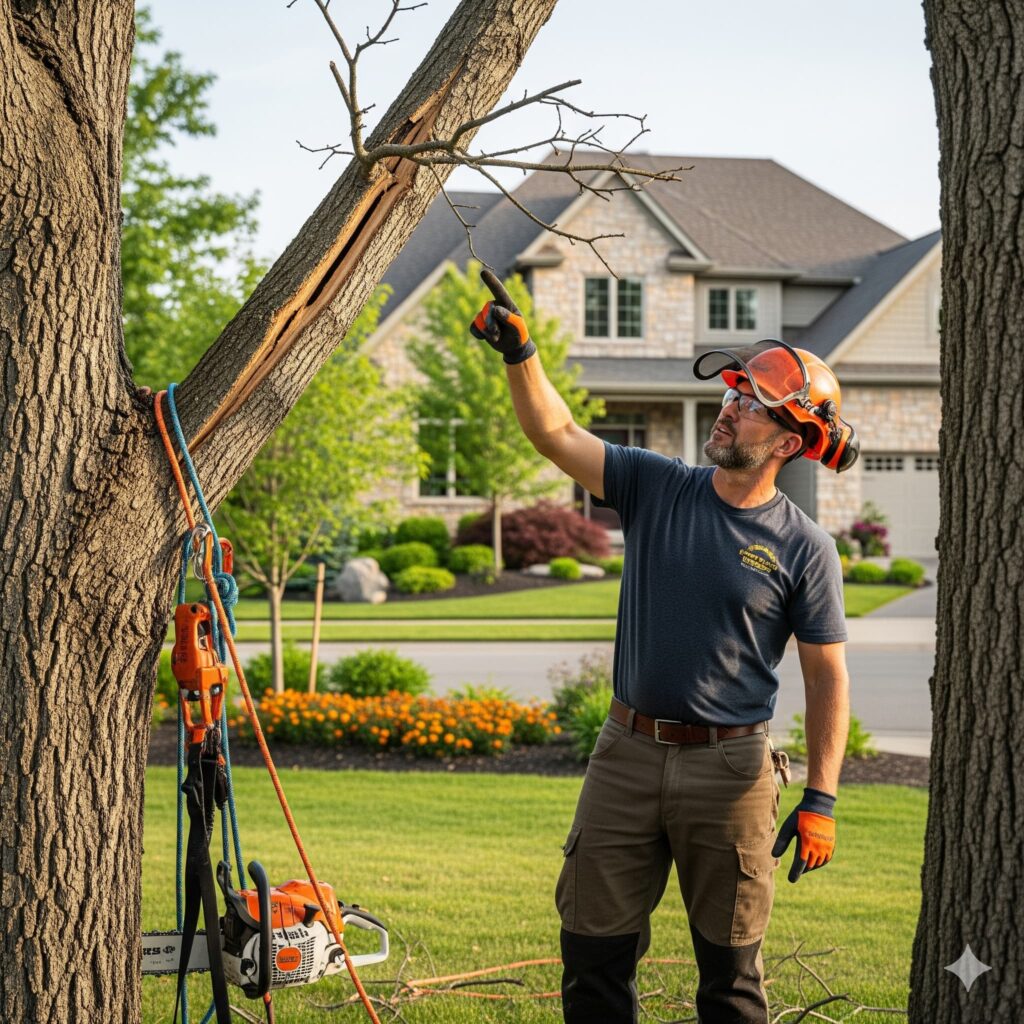
Critical Warning Signs That Require Immediate Attention
There are several red flags to look out for that would suggest to West New York property owners that their trees need to be evaluated professionally, and possibly cut down, prior to the first storm of the year in West New York. Dead or dying branches are the biggest indicator of a hazardous tree, as strong winds can cause a branch to break off at the very least and potentially act as a projectile. Many of the residents of West New York near landmarks such as the Hudson River Waterfront Walkway have found that what appears to be a small branch failure can quickly get out of control due to wind during a storm.
West New York tree care professionals find many instances where early intervention could have prevented substantial property damage. Recognizing the warning signs will allow property owners to make informed decisions regarding the need to hire professional tree-cutting services.
Structural Weaknesses Visible
Trees with cracks in the main trunk or major branches are structurally weak and provide a point of failure for strong winds. Although the cracks may appear minor, they can provide a significant area of failure under high winds. Trees that are leaning, especially those that have recently shifted direction, need to be assessed and possibly removed by a professional immediately.
Health-related Risks
Tree health has a direct effect on its ability to resist the force of the wind produced by a storm. Diseased trees do not have the same level of strength as healthy trees and are, therefore, more likely to fail during a severe storm. Indicators of a diseased tree include abnormal color of leaves, premature dropping of leaves, and the appearance of fungi on the bark or roots of the tree.
Pest Infestation
Pests compromise the normal defense mechanisms of trees, causing weakening of the tree. Property owners in West New York need to recognize the signs of pest infestation. These signs include holes in the bark of the tree, sawdust or sawdust-like material at the base of the tree, and branches that are dying.
Root System Failure
Most root problems are not visible until they are brought to light by storm conditions. Indicators of root problems include soil heaving (moving) around the base of the tree, exposed roots, and mushrooms growing around the base of the tree. Root problems are commonly experienced by property owners in areas with challenging soils, such as the Palisades Cliffs.
Risk Factors Based on Location
The location of trees in relation to buildings, power lines, and high-traffic areas dramatically increases the risk to the tree during storms. For example, a tree that is perfectly fine in an open field may be considered a great risk to surrounding properties because of its proximity to residential and commercial properties along routes like Bergenline Avenue.
Trees that are overhanging roofs, driveways, and walkways require specific attention prior to storm season. Even if the tree itself appears to be healthy, the size of the branches that are hanging over structures can produce significant damage if the branches were to fail during a storm or become weighed down with heavy rain and debris.
Proximity to Power Lines
Trees that grow near power lines represent both private and public safety hazards. It is extremely important to seek the advice of a professional tree cutting service when branches are within proximity to electrical infrastructure. Damage to power lines caused by trees can impact entire neighborhoods and create unsafe conditions for emergency personnel responding to the damaged area.
Age and Species Considerations
Storm damage affects mature trees differently than it does young trees. Mature trees have developed extensive root systems; however, they are larger targets for wind damage and support larger amounts of weight in their canopies. Some species of trees are more resistant to storms than others, making a professional evaluation of the trees’ conditions imperative to planning for a property.
Young trees often have poorly formed branch unions that can easily break under the forces associated with storm conditions. Property owners should pay close attention to trees that have grown rapidly, as these may require regular professional trimming to prevent structural failure.
Stress Factors Due to Environmental Change
Trees that are experiencing environmental stress are more susceptible to damage during a storm. Examples of environmental stressors include construction in the vicinity of the tree, soil compaction, and changes in drainage. Property owners near areas such as the Palisades Interstate Park may experience environmental stressors that differ from those experienced by urban property owners living closer to the Hudson River waterfront.
Best Time for Tree Evaluation Before Storm Season
Late winter to early spring are ideal time to evaluate trees for storm preparedness, since all of the tree’s foliage is typically gone and there are no distractions from the budding foliage that occurs later in the spring. Since this is a time of year when professional tree-cutting services tend to have more availability, it is easier to schedule evaluations and trimming of trees at this time.
It is worth noting that when a tree presents a serious risk of failure, a property owner should seek emergency services regardless of whether it is a time of year when professional tree cutting services are busy or not. Tree Care Pros West New York offers emergency services for tree failures that cannot wait for scheduled appointments.
Benefits of Hiring a Certified Arborist
A certified arborist can identify potential problems that may go unnoticed by a property owner conducting a casual inspection. When hiring a certified arborist, a property owner can rest assured that the arborist has received the training and education needed to properly inspect the tree, determine if there are any defects or weaknesses that could lead to failure, and take the necessary actions to mitigate the risks.
When a property owner hires a certified arborist, the arborist will assess the tree’s root system, look for any evidence of internal decay, and assess the structural integrity of the tree. These assessments are made using specialized equipment and techniques that a non-certified person may not possess.
Long-term Cost Benefits of Preventive Tree Care
Although preventative tree care may seem like an unnecessary expense, it can save property owners money in the long run. Preventative tree care involves regularly maintaining trees to keep them healthy and in good condition. By doing so, the likelihood of a tree failing during a storm is reduced. In addition, when a tree is maintained properly, it will live longer than one that is neglected. Long-term cost savings can result from the reduced need for emergency tree services and lower liability exposure due to the reduction of potential hazards that can lead to injury or property damage.
Strategies for Maintaining Healthy Trees
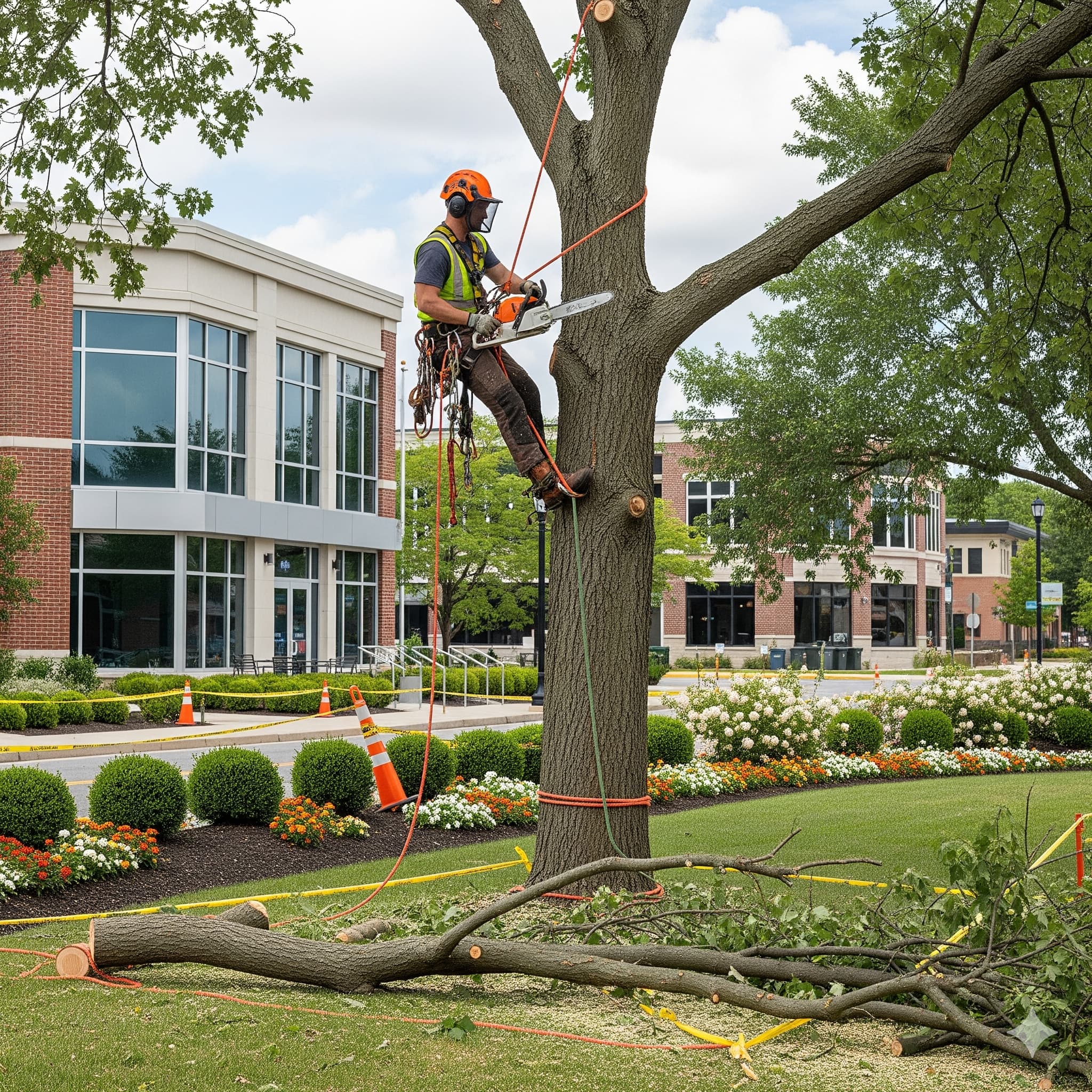
Regular tree trimming is one way to reduce the risk of a tree failing during a storm. Trimming a tree reduces the number of branches that are subject to wind damage, thus reducing the amount of energy required to break the tree. However, simply removing the largest branches will not always solve the problem. Proper pruning techniques must be used to not only remove dead, diseased, and weakly attached branches, but also remove excess weight and distribute the weight of the tree evenly throughout the tree. Crown cleaning is another technique used to reduce the risk of a tree failing during a storm. Crown cleaning involves the removal of dead, diseased, and weakly attached branches that are most susceptible to breaking. This type of maintenance is much less costly than having to replace or repair a tree that failed during a storm, or having to deal with the financial burden of repairing damage to adjacent property.
Pruning Techniques Used by Professionals
When a certified arborist performs tree maintenance, the arborist will follow standard practices that not only enhance the health of the tree but also reduce the risk of the tree failing during a storm. Improper pruning techniques can actually weaken a tree and create more problems than the arborist intended to fix. Therefore, it is essential to hire a certified arborist to perform tree maintenance.
Emergency Preparedness Strategies
Property owners should establish a relationship with a reputable tree service provider prior to emergencies occurring. During a storm, there is usually a surge in demand for professional tree services, which causes a backlog in scheduling for property owners who did not prepare for an emergency.
Photographing the condition of the tree before storm season will assist in documenting the condition of the tree and may aid in filing an insurance claim if damage occurs. Documenting the tree’s condition can also be useful in tracking the health of the tree over time, and assist in determining when a professional intervention is warranted.
Liability and Insurance Issues
Some insurance policies require property owners to maintain their trees in a safe condition. If property owners ignore a known hazard and a storm damages their property, their insurance policy may not cover the loss. A certified arborist can document that a property owner has taken reasonable steps to maintain their trees in a safe condition.
Choosing a Reliable Tree Service Provider
When selecting a qualified tree service provider, verify that the company has the proper licenses, insurance, and certifications. Avoid companies that utilize high-pressure sales tactics or quote unusually low prices. Companies that utilize these tactics often employ inexperienced employees or are uninsured.
Tree Care Pros West New York utilizes a combination of local knowledge and professional expertise to serve the unique needs of West New York. Our certified arborists are knowledgeable about how being located on the Hudson River influences tree health and can advise property owners on how to best maintain their trees based on the type of property they own.
Seeking Second Opinions
If a property owner is considering spending a large sum of money for expensive tree work or is contemplating the removal of a tree, it is beneficial to seek additional opinions from certified arborists to confirm that the decision is correct. Most reputable tree service providers encourage professional consultations and will describe their recommended course of action to the property owner.
Long-term Cost Benefit Analysis
In comparison to the potential financial losses associated with storm damage, the cost of performing preventative tree cutting service is relatively inexpensive. Removing a large branch prior to a storm occurring is far less expensive than repairing damage to a roof or other structures that resulted from the failure of the branch, and it is less expensive than dealing with insurance claims related to the damage.
Ultimately, property owners should consider the long-term costs of performing tree maintenance when deciding how to manage their trees. By investing in preventative tree care, property owners can extend the life of their trees, decrease the frequency of emergency tree services, and minimize the liability associated with neglecting hazardous conditions on their property.
Conclusion
Understanding when you need to hire a certified arborist to perform preventative tree cutting service before the storm season requires property owners to be aware of visible warning signs, understand risk factors, and be cognizant of the unique challenges presented to property owners in West New York. Whether the property is located on the Hudson River waterfront or on the slope leading to the Palisades, each location presents different challenges for managing trees.
By investing in preventative tree care, property owners can protect their investments and contribute to the well-being of their communities. At Tree Care Pros West New York, we are available to assist property owners in identifying potential hazards and developing plans to address them before the start of the storm season. Investing in proactive measures will provide property owners with greater peace of mind during periods of severe weather.
LATEST POSTS