Menu
Tree Trimming: What Local Arborists Offer That Chains Don’t
Tree Trimming West New York
When searching for tree trimming near me, in West New York, NJ, property owners are faced with a key decision between certified arborists operating locally and large-scale national companies providing tree care. In terms of service quality, experience, and value, local certified arborists offer significantly more than do larger, national companies. The distinctions made by this comparison help to guide area residents (near Boulevard East) and those throughout Hudson County as they make educated choices regarding protecting their valuable tree investments and enhancing the aesthetic appeal of their properties over time.
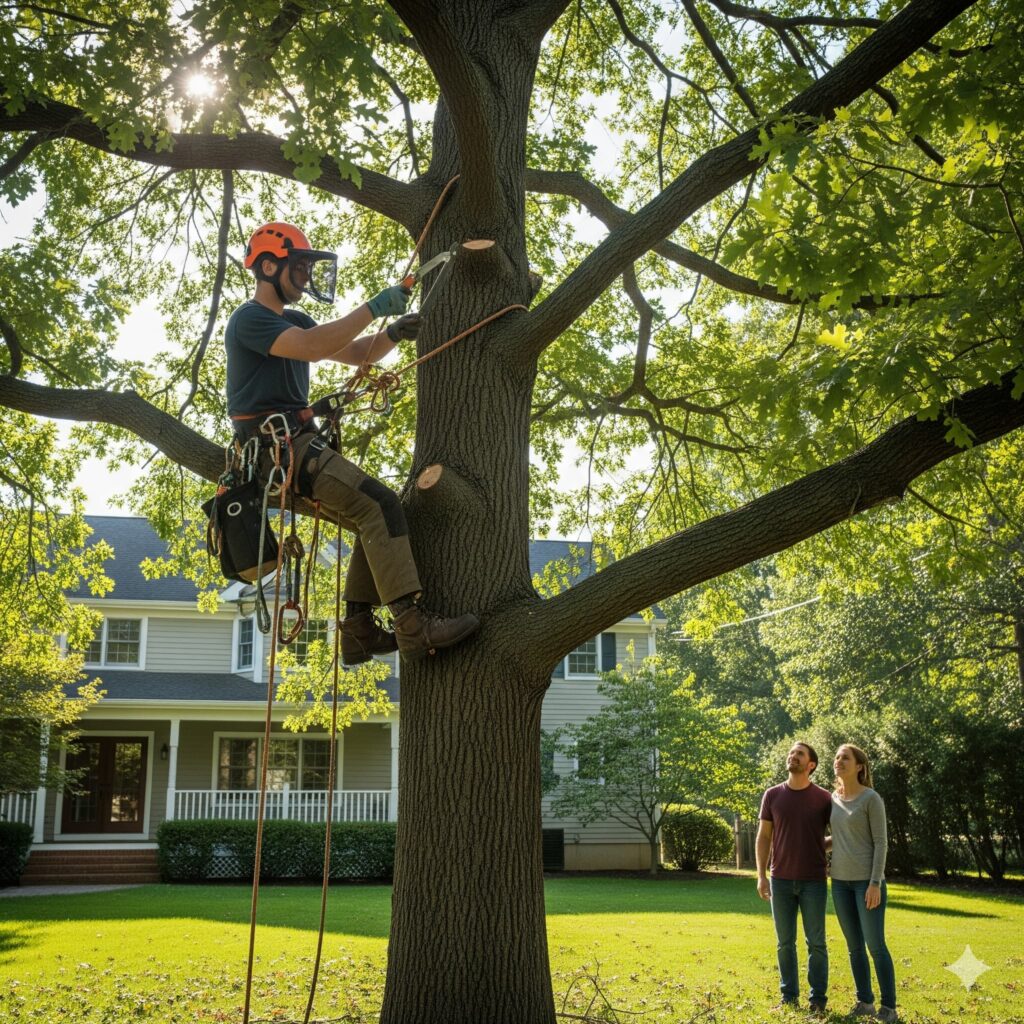
The Distinction Between True Arborists and Tree Services
Professional Certification and Training
The differences between certified arborists and tree-service companies are in their level of professional certification and training.
A certified arborist has demonstrated an ability to have worked for at least three years full-time in tree care, has passed an exam in all areas of arboriculture, and has completed continuing education requirements to stay certified. These two credentials ensure that certified arborists have both the theoretical knowledge and hands-on experience to properly diagnose and treat tree problems.
Many national chains hire large groups of people with little to no training. While these companies may be able to remove trees, they do not have the trained staff to make the technical decisions needed to identify disease, determine the health of your trees, and develop a treatment plan. At Tree Care Pros West New York, we invest in continued education and certification renewal so our staff is always up-to-date on the latest arboricultural research and best practices, and also on the most recent threats to tree health.
A certified arborist knows the region you live in, including the types of trees that grow well there, common pests, common diseases, and the effects of the weather on trees. For example, a certified arborist will know how the soils near the Palisades affect tree growth, will recognize disease trends found in Hudson County, and will know what type of tree thrives in your climate. This localized knowledge is key in making informed pruning decisions, identifying potential problems, and choosing effective treatments.
Most national chains do not understand the regional conditions that will affect the trees in your yard. Many national chains hire crews from various regions of the country and send them wherever the company sends them next. Therefore, they lack the knowledge of the local conditions that allow them to make informed decisions regarding tree care.
Personalized Tree-Care Plans and Ongoing Communication
As part of providing personalized tree care, certified arborists will develop customized tree-care plans based on the conditions of your yard, the types of trees that you have, your preferences, and your long-term landscaping goals. A certified arborist will conduct a thorough site assessment of your yard, taking into consideration such things as the location of your trees in relation to your home, garage, etc., the size and shape of the root systems of your trees, how the branches of your trees interact with each other and with overhead wires, power lines, etc., and what the overall aesthetic of your yard is. Based upon this assessment, a certified arborist will develop a customized pruning plan that will improve the health of your trees and the beauty of your yard.
Most national chains will only offer pre-packaged service options with little opportunity for customization. National chains are typically driven by cost, and therefore will choose the fastest way to accomplish the task, regardless of whether it is the right solution for your trees or your yard. Certified arborists spend the time to learn about your unique situation and establish a relationship with you that allows for continuous communication and cooperation regarding the care of your trees.
Establishing a Relationship with a Certified Arborist
Developing a relationship with a certified arborist will provide you with a source of continuous care for your trees. The same arboristwhot completes your first assessment will return for subsequent visits to inspect your trees and continue to monitor their health. The arborist will be aware of any previous treatments and any problems that may be developing, and will be able to help you plan for the long-term health of your trees.
On the other hand, national chains typically send different crews to every job. As a result, no single crew member will be aware of any prior assessments, treatments, or developing problems associated with your trees. Lack of continuity of care can result in inconsistent treatment of your trees, the loss of opportunities for early identification and treatment of problems, and the failure to carry out multi-year management plans that many tree health problems require.
Diagnostic Skills
Accurate Disease Diagnosis
Certified arborists receive extensive training in plant pathology and entomology, which allows them to accurately diagnose tree diseases, insect infestations, and physiological disorders. In addition, certified arborists have learned to distinguish between symptoms that may look alike to untrained eyes but require very different treatments. Accurate diagnosis is critical in preventing unnecessary removal of trees due to incorrect diagnosis, prescribing treatments that will be ineffective against the problem, or failing to address the underlying problem(s).
Many national-chain companies do not have personnel with advanced diagnostic training. As a result, they may incorrectly diagnose problems, prescribe treatments that are inappropriate, or fail to diagnose problems altogether. Misdiagnosis can result in unnecessary removal of trees, application of ineffective treatments, or failure to address the underlying problem(s). Local certified arborists continually update their knowledge and skills regarding new and emerging diseases and pests affecting trees in your area.
Risk Assessments
Risk Assessment Expertise
Certified arborists complete comprehensive risk assessments that evaluate tree structure, tree health, environmental stressors, and potential failure points. Certified arborists evaluate factors such as root stability, branch integrity, disease progression, and structural defects that may indicate a hazard to people and/or property. Risk assessment is critical in evaluating mature trees found along Bergenline Avenue and other older neighborhoods of West New York, where tree failure may cause considerable property damage.
Many national chains concentrate on obvious hazards without conducting a thorough structural evaluation. Since they often lack advanced diagnostic training, national chains may prematurely recommend the removal of trees that are still safe, or fail to identify developing hazards that need to be addressed. Local certified arborists provide detailed risk evaluations that allow property owners to make informed decisions regarding tree retention, treatment options, or removal timing.
Treatment Options and Techniques
Integrated Pest Management
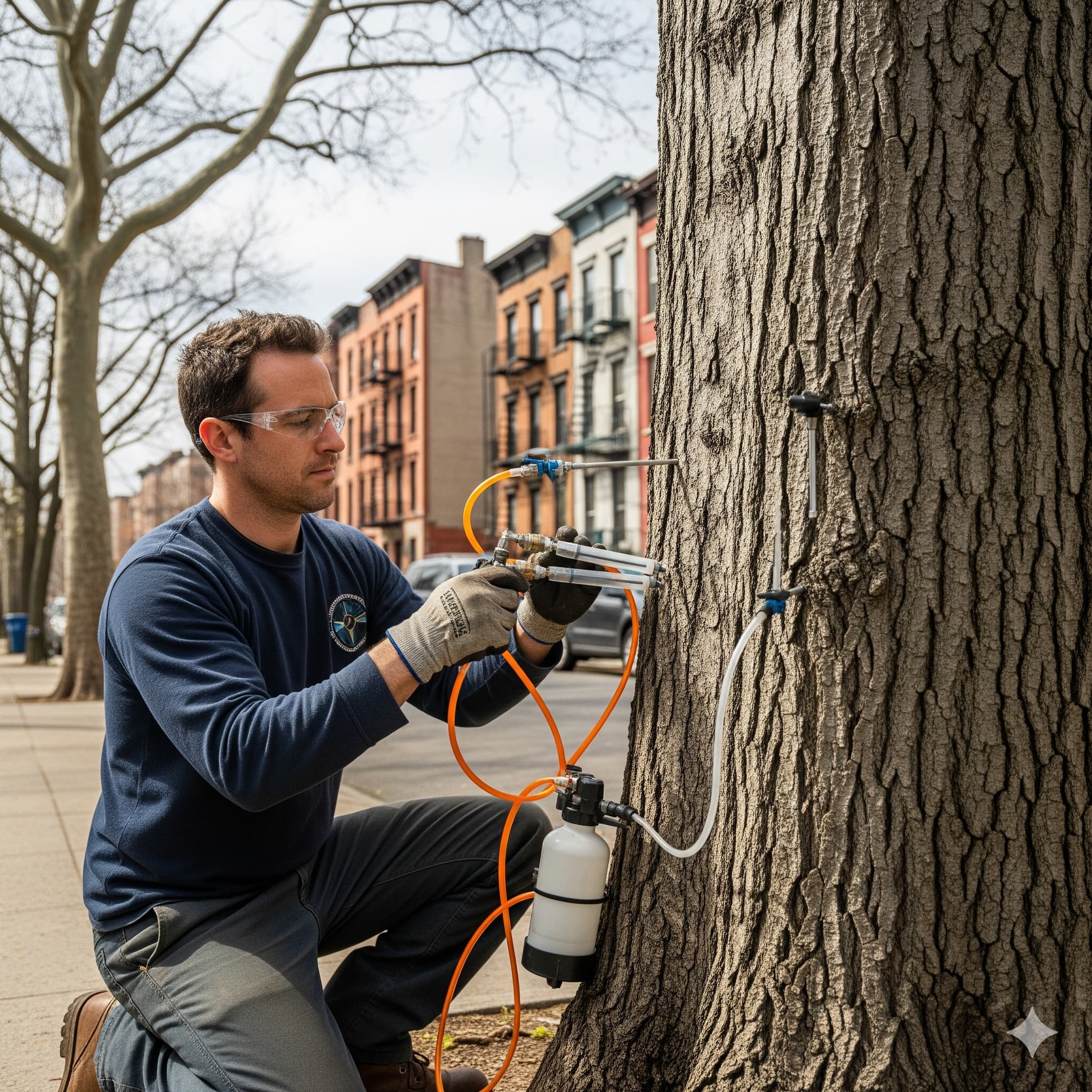
Certified arborists utilize Integrated Pest Management (IPM) to manage tree-health problems using a combination of cultural, biological, and chemical controls. IPM-trained arborists understand when treatments are needed, will select the right product for the specific problem, and will apply treatments at the correct time to maximize effectiveness and minimize harm to non-target organisms. IPM can often solve problems without the need for excessive chemical treatments.
Most national chains utilize standardized treatment protocols that may involve unnecessary chemical application or fail to address the root cause of the problem. National-chain businesses model themselves after fast-food restaurants; they want to get in and get out quickly. As a result, national chains may not take the time to thoroughly examine a problem, may not have the expertise to create a solution, and may not provide the follow-up care necessary to ensure the problem does not recur.
Equipment and Techniques
Specialized Equipment and Techniques
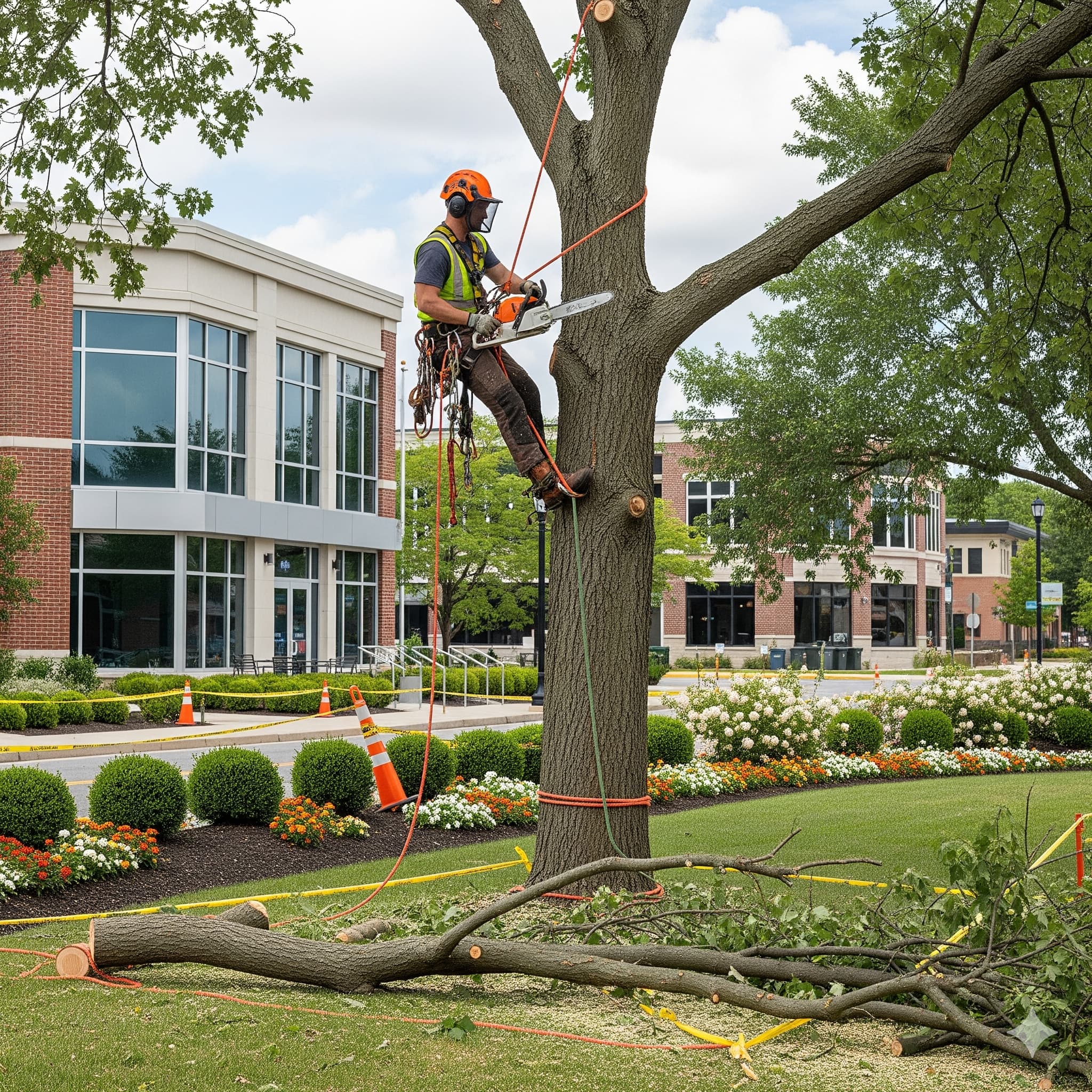
Certified arborists invest in specialized equipment that enables precise and minimally invasive tree care. Certified arborists use proper climbing techniques, state-of-the-art cutting tools, and specialized equipment that will protect nearby valuable landscape elements. Certified arborists select equipment that optimizes tree health and longevity, even if that means taking longer to complete a project.
National chains often prioritize speed and efficiency over precision and may utilize equipment and techniques that may compromise tree health. National chains may not have the financial incentives to invest in the specialized equipment necessary for optimal tree care. When national chains provide poor-quality tree care, it is likely to create long-term problems for your trees.
Availability and Emergency Response
Locality and Speed of Response
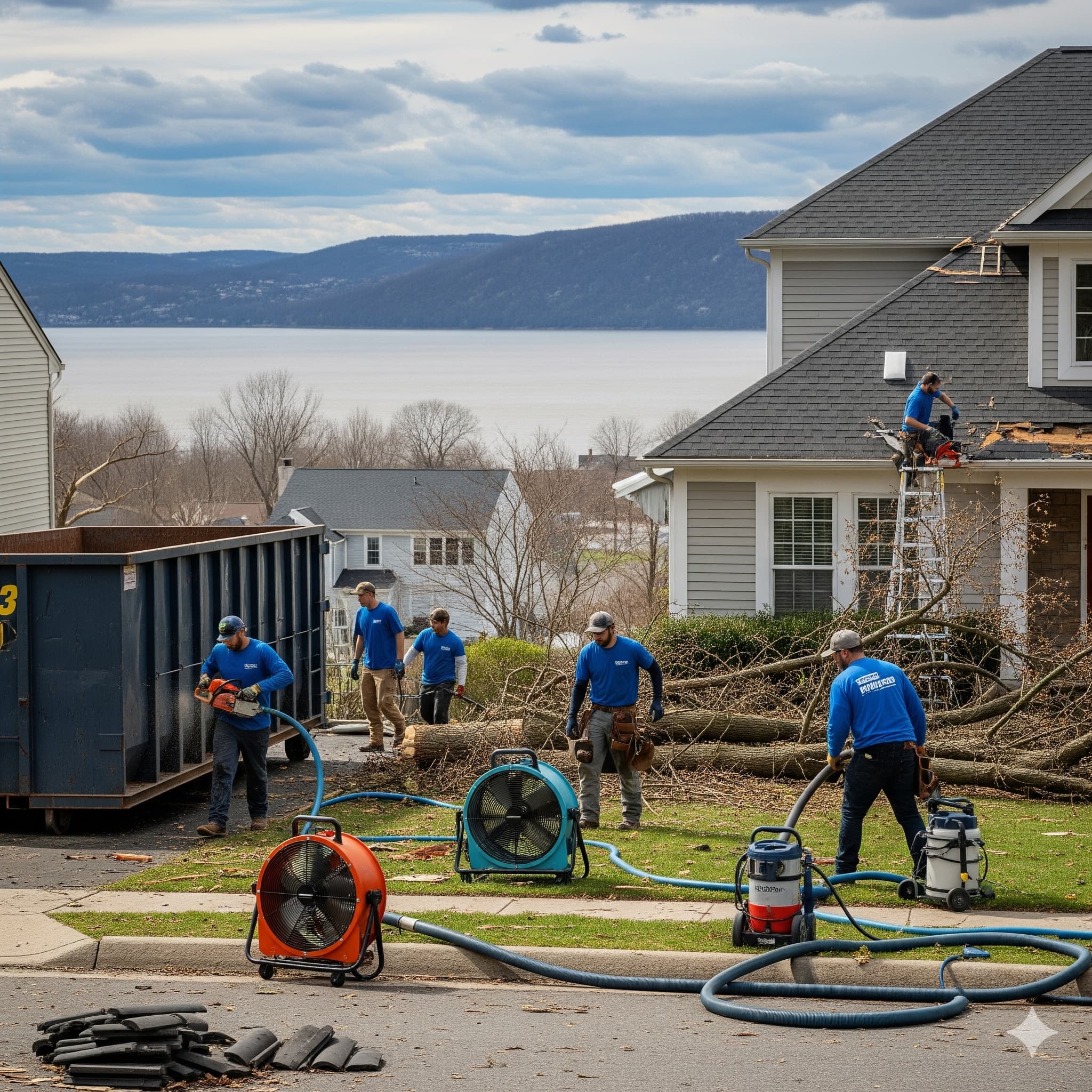
Certified arborists are locally owned and operated and have a physical presence in the community. As a result, certified arborists are available to respond to emergencies such as storm damage or hazardous tree conditions. Local certified arborists understand local priorities, have relationships with local government officials, and will communicate with local utility companies as necessary. This local presence is critical in responding quickly to emergencies and preventing additional property damage.
National chains may not have sufficient local representation to respond rapidly to emergencies, particularly in cases of widespread storms when resources are spread thin across multiple markets. National chains may not have the relationships with local government officials or local utility companies to facilitate emergency responses. Local arborists often provide emergency contact information and prioritize existing customers during emergency situations.
Flexibility of Scheduling and Service Options
Scheduling Flexibility and Customization
Certified arborists provide flexible scheduling options that allow for accommodations for client preferences and property-specific requirements. Certified arborists can adjust scheduling to match with other property maintenance activities, work around special events, or schedule treatments at optimal times for tree-health benefits. Certified arborists can customize standard procedures to meet unique property requirements.
National chains operate on rigidly scheduled routes that may not allow for flexibility in meeting client needs, or may schedule treatments at times that conflict with property usage or may not be at the optimal time for treatment. Certified arborists understand that flexibility in scheduling and service options will often determine the outcome of treatment and the level of client satisfaction.
Cost and Value
Assessing Comprehensive Value
While certified arborists may charge more for services than national chains, certified arborists provide more comprehensive value. Certified arborists provide more accurate diagnoses, prune trees properly to reduce future maintenance, and may prevent costly emergencies. Certified arborists preserve valuable trees that inexperienced services may recommend for removal.
National chains may appear to be cheaper initially; however, they may generate hidden costs through incomplete problem resolution, damage to trees requiring repair, or premature tree death requiring replacement. National chains price their services based on perceived efficiency, not necessarily based on the complexity of the service provided to the client. Certified arborists provide high-quality service, not low-cost service.
Insurance and Liability Protection
Certified arborists have liability insurance, workers’ compensation insurance, and professional liability insurance. Certified arborists understand local laws, permits, and safety standards related to tree care in West New York. Certified arborists protect property owners from liability and ensure that work is done according to local standards.
Some national chains may not carry sufficient insurance coverage, or may not employ personnel familiar with local laws and regulations. Property owners should investigate insurance coverage and local compliance before hiring a tree-service provider. Certified arborists generally are transparent about insurance coverage and local compliance.
Investment in the Community and Environment
Certified arborists invest in their communities through employment, taxes, and involvement in local organizations and initiatives. Certified arborists understand the importance of preserving the urban forest in West New York and strive to keep the tree canopy thriving in order to increase property values and to improve environmental quality in West New York. Certified arborists depend on the long-term satisfaction of the community and the environment in order to continue to do business in West New York.
Certified arborists often educate the public regarding tree care, participate in urban-forestry initiatives, and partner with local government on tree-related planning and management decisions. Certified arborists demonstrate their commitment to long-term environmental stewardship beyond just treating their clients’ trees. Certified arborists depend on keeping the urban forest healthy and thriving to build a successful business.
LATEST POSTS