Menu
West New York Tree Removal: Urban vs Suburban Cost Guide
Tree Removal West New York
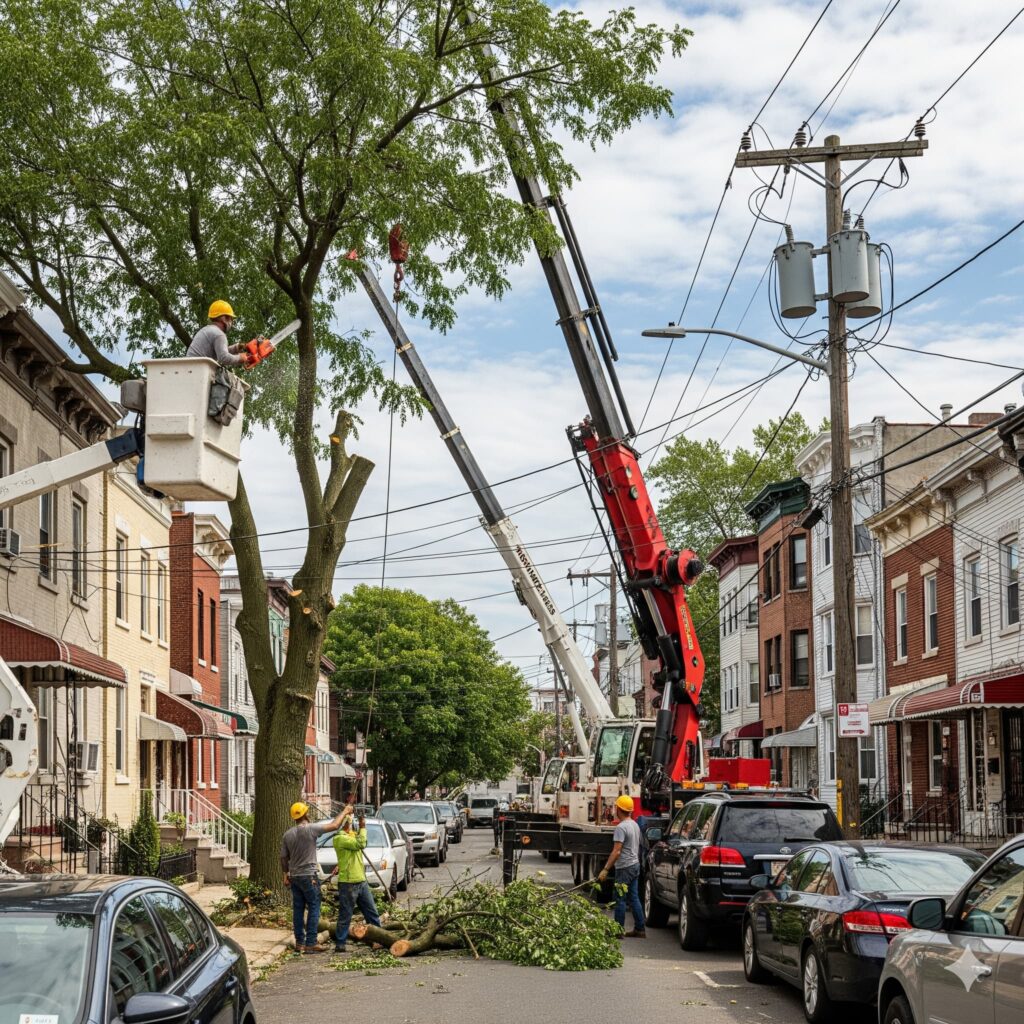
Tree removal prices in West New York take into consideration the difficulties involved with doing work in an urban area such as West New York. With many homes so close together and limited access in most cases, this presents special challenges when it comes to accessing and performing the actual removal work on the tree(s). By understanding the factors that can impact pricing, you will be able to better plan for your budget for tree removal service around your home located at or near Boulevard East and throughout Hudson County, and understand why urban arborist charges higher fees than arborists who perform tree removal in the suburbs. The constraints of working in the West New York urban environment have a direct effect on the cost associated with operational aspects of removing a tree, and also the safety of those performing the removal.
West New York Tree Removal Pricing Overview
For West New York homeowners looking up tree removal near me, costs vary based on the size of the tree and can run anywhere from $400 to $700 for smaller trees, $800 to $1,800 for trees of medium growth, and upwards of $2,500 for larger or hazardous tree removals. In addition to the general challenges of working in an urban environment (i.e., access issues, building proximity), costs are also driven upward by the fact that some of the most expensive removals are located in West New York.
In West New York, the average price for removing a small tree that is under thirty feet tall is approximately $450 to $850. This compares to a price range of $300 to $600 for the same type of removal in a more suburban environment. Medium trees that range from thirty to sixty feet tall will cost between $900 and $2,200. Larger trees that are greater than sixty feet tall can cost as much as $2,800 to $5,500 or more, depending on the type of tree, its location, and the amount of complexity involved in the removal process. Emergency removals that take place during storms or other hazardous conditions can cost as much as $3,000 to $7,000, primarily because they require immediate action and have increased safety risks.
Urban Premium Factors
West New York’s dense urban environment creates cost premiums that differentiate it from the suburban tree removal markets. For example, in residential areas and along James J. Braddock Park, properties often require special access solutions and additional safety measures to remove trees safely. As a result of these operational complexities, the cost premium for removing trees in an urban environment is typically between 25-50% above base pricing.
An urban environment also requires crews to operate with precision equipment rather than large machinery, resulting in more labor-intensive projects and longer project durations. Cranes are often required for many tree removals, with the cost of crane operation typically running between $800 to $1,500 per day. Additionally, many of the logistical aspects of tree removal in an urban environment create complications with respect to scheduling and completing the removal project. Examples of these complications include:
- Coordinating with city officials regarding street closures
- Coordinating with neighbors to allow crews to enter private property
- Coordinating with city officials to obtain any necessary permits
Size-Based Cost Analysis
Small Trees (Under 30 Feet)
Removing small trees in West New York can cost anywhere from $450 to $850, depending on a variety of factors, including the species of the tree, the location of the tree, and the level of difficulty to gain access to the tree. Ornamental trees that are typical of those planted along Bergenline Avenue, such as flowering cherry, crabapple, and small maple, tend to fit into the lower end of the price range ($450 to $850) when access to the tree is relatively easy. However, even small trees that are surrounded by buildings or near utility lines can cost as much as $1,000 to $1,200 to remove, simply due to the level of precision required to safely remove them.
Examples of factors that can influence the cost of removing a small tree include:
- The level of complexity in the tree’s root system
- The logistics involved with disposing of the debris from the tree
- The need for the contractor to protectthe surrounding landscaping
Stump grinding of a tree with an extensive root system can cost an additional $250 to $550. Debris disposal in urban environments can be a challenge due to the limited availability of equipment to load the debris onto trucks, thus creating additional labor costs.
Medium Trees (30-60 Feet)
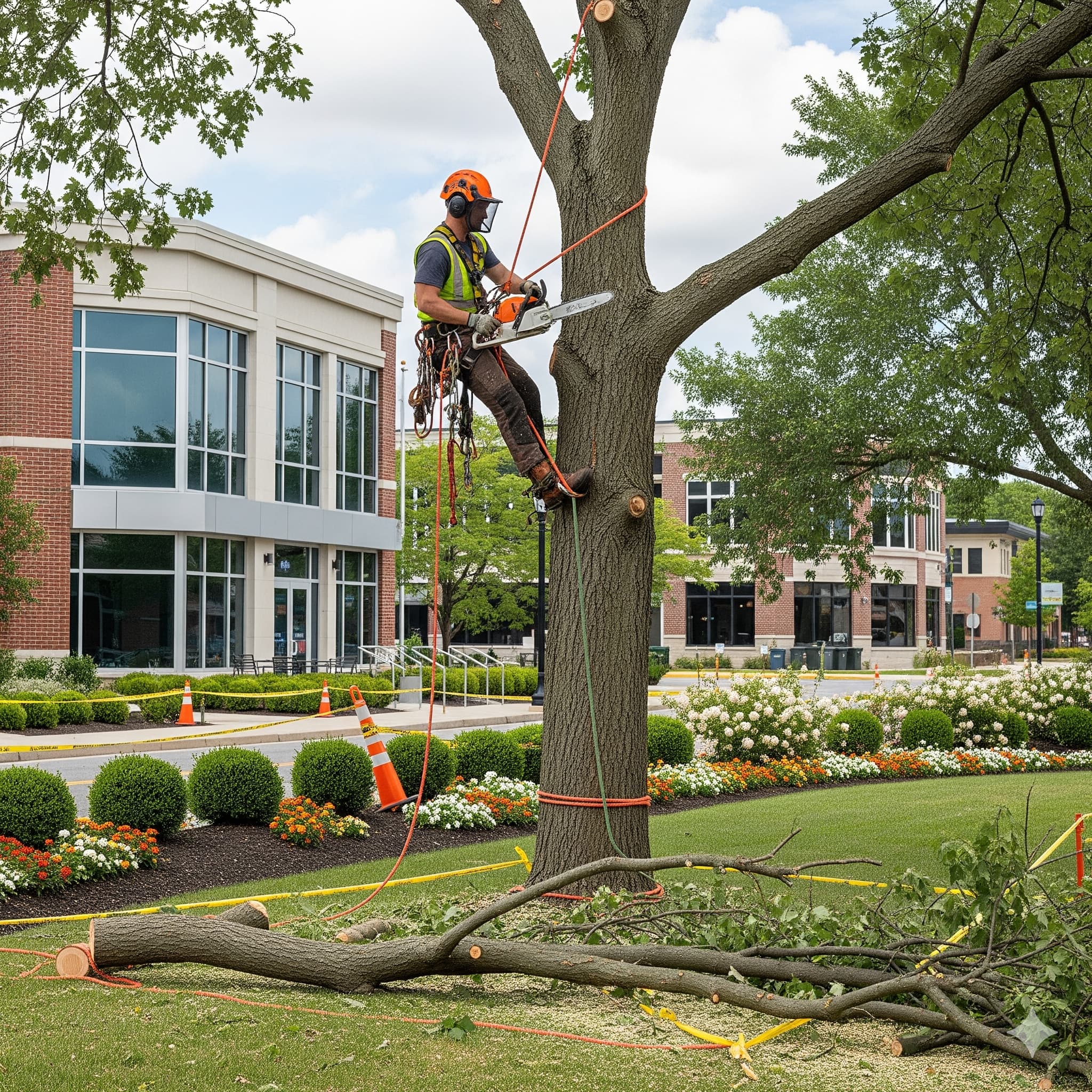
Removal of medium-sized trees represents the most common category of tree removal in West New York’s older residential neighborhoods. These removals typically cost between $900 and $2,200, and are heavily dependent upon the specific requirements of the job. For example, mature Norway maples and American elms are common in the area and require careful sectioning and controlled lowering to avoid damaging surrounding buildings and infrastructure. These types of jobs require skilled crews and specialized equipment.
Access challenges can greatly influence the cost of removing a medium tree, with difficult locations potentially doubling the cost of the removal. If cranes are required to safely remove a tree, then the cost will also be substantially higher than if the tree could be removed using bucket-truck operations. Neighborhoods with limited rear-yard access may require contractors to perform front-yard removal strategies that can increase the complexity of the job and the need to coordinate with neighbors.
Large Trees (Over 60 Feet)
Removal of large trees in West New York starts at around $2,800 and can exceed $5,500, depending on the specifics of the situation. Large trees such as mature oak trees that are common along Boulevard East, large London plane trees, and other large trees in the area all require extensive planning, specialized equipment, and experienced crews to remove safely. The proximity of large trees to valuable structures, utility lines, and neighboring properties requires a high degree of precision in the removal process and, therefore, premium pricing.
Removal of large trees typically requires two or more days of work to accomplish safely, and the daily cost of the crew performing the removal can range from $1,200 to $2,000 per day, plus the cost of renting specialized equipment. In many cases, crane operations are required to safely remove large trees in urban environments, and the cost of operating a crane can range from $1,000 to $2,000 per day. Additionally, the cost of disposing of the large amounts of wood and debris generated by the removal of a large tree can also present logistical challenges in densely populated neighborhoods.
Urban vs. Suburban Cost Differentials
Access and Equipment Challenges
West New York’s urban environment creates unique access and equipment challenges that distinguish it from suburban tree removal markets. For example, narrow streets and limited parking spaces in urban areas limit the availability of equipment capable of accessing trees. Therefore, urban contractors are forced to rely on specialized equipment, such as compact chippers and boom trucks that can maneuver into tight spaces.
Additionally, urban areas often require hand-carrying of debris from the tree removal site back to the trucks for disposal, rather than being able to utilize larger chipper trucks and bucket trucks that can deposit the debris directly into the bed of the truck. The need for traffic control, street parking coordination, and crane positioning also creates additional administrative and logistical expenses for urban contractors that do not exist in suburban environments. For example, obtaining permits for street closures, equipment placement, and debris storage can cost an additional $200 to $500 for urban contractors.
Furthermore, the necessity of working around public transportation, pedestrians, and neighbor activities complicates both scheduling and execution of tree removals in urban environments.
Property Damage Risk Factors
The proximity of structures, vehicles, and landscaping in West New York creates a higher risk of property damage during tree removal operations, and accordingly, a higher cost for insurance. Trees growing in proximity to buildings, fences, and valuable landscape features in residential neighborhoods and parks, such as Donnelly Memorial Park, create a high risk of damage to surrounding property and landscaping.
Therefore, contractors performing tree removals in West New York must implement additional protective measures to reduce the risk of damage to surrounding property and landscaping. The cost of these protective measures and the increased risk exposure are reflected in the insurance costs paid by urban contractors, and subsequently, in the cost of tree removal services to customers. Additionally, the potential for damage to multiple adjacent properties increases the number of precautions and coordination required by contractors, thereby increasing the cost of the removal.
Species-Specific Pricing Considerations
Common Urban Tree Species
Tree species commonly encountered in West New York present different removal challenges that affect pricing. For example, Norway maples, which are common throughout the area, can cost between $800 and $2,200 to remove, depending on the size of the tree. This is due to their dense wood and extensive branching, which require additional time to cut. American elms, which are common in the area and grow to a height of 80 feet or more, can cost between $1,200 and $3,500 to remove, depending on the size of the tree and the complexity of the removal. London plane trees, which are common along major roadways, can cost between $1,500 and $4,000 to remove, due to their size and challenging branch structure. Pin oaks and red oaks, which are common in residential areas, can cost between $1,000 and $3,200 to remove, depending on the size of the tree and the complexity of the removal. Evergreen species such as spruce and pine, which are common in West New York, are typically 10-20% less expensive than hardwood species due to their lighter weight and simpler branch structure.
Hazardous Tree Premiums
Trees that are damaged by disease, windstorms, or structural defects are considered hazardous and require premium pricing due to increased safety risks and the need for specialized techniques to safely remove the tree. In West New York, hazardous tree removals can cost between 30-75% more than standard removals, with emergency hazardous removals commanding the highest premiums. Dead trees, although lighter, are more hazardous to remove than living trees because of the unpredictability of their failure patterns and require more precautionary measures to ensure safe removal.
Depending on the type of hazard and the complexity of the removal, the cost of hazardous tree removal can range from $3,000 to $12,000. Disease-compromised trees may require specialized disposal methods to prevent the spread of pathogens and can cost an additional $200 to $600. Storm-damaged trees with split trunks or hanging branches can create complex removal challenges that require rigging expertise and prolonged safety protocols. In addition, insurance claims for hazardous tree removals often exceed standard rates due to emergency response requirements.
Other Cost Factors
Permit and Regulatory Requirements
Obtaining permits from the City of West New York to remove trees on public property or that encroach into public rights-of-way can add $25 to $100 to the cost of the removal. In addition, municipal inspectors and approvals can delay the completion of the project, especially for trees growing near public spaces such as Anthony M. Defino Way. Many professional tree services will handle the permitting process for clients as part of their comprehensive service package.
Some removals require coordination with utilities before the removal can take place if the tree is growing near power lines or telecommunications infrastructure. Coordination with utilities can add delays and costs to the project. Homeowner associations or historical districts may also require additional approval processes that can affect the project schedule and cost. Environmentally sensitive properties may also require additional documentation and approval processes before commencing the removal.
Stump Grinding and Cleanup Services
Stump grinding can add $250 to $550 to the cost of a tree removal in West New York, depending on the size of the stump, the complexity of the roots, and the ease of access to the stump. Urban stump grinding often requires the use of compact equipment that takes longer to grind the stump than larger equipment used in suburban areas. Stumps that contain rock or are in proximity to utility lines can complicate the stump grinding process and significantly increase the cost of the grinding process.
Cleanup and disposal of the debris generated from a tree removal can also be a costly component of the project in urban environments, where hand-loading of debris into vehicles may be necessary. A comprehensive cleanup service can add $200 to $800 to the cost of a tree removal, depending on the size of the tree and the volume of debris. Some tree services will deliver the wood chips to the client for landscaping purposes, which can help offset some of the costs of the removal.
Seasonal Pricing Variations
Peak Season Premiums
Pricing for tree removal services can vary depending on the time of year, with peak demand occurring in spring and summer months, resulting in a 15-25% increase in pricing. When a tree removal occurs during a storm event, the pricing for the removal can increase dramatically, with some contractors charging twice to three times the normal price for emergency tree removals. Winter tree removals can provide an opportunity for cost savings, with pricing potentially 10-20% lower than peak-season pricing. However, winter tree removals can also be complicated by inclement weather and difficult working conditions, and may result in delayed project completions and scheduling uncertainty.
Emergency Response Pricing
Emergency tree removal services can command very high premiums, particularly when a tree poses an immediate threat to people or property. Emergency response rates can start at a minimum of $1,500 and can go as high as $5,000-$8,000 or more for complex situations that require immediate attention. Additionally, weekend and holiday emergency services can incur additional premiums to the standard emergency rate.
Insurance coverage often affects the decision of when to remove a hazardous tree, and understanding the limits of the policy can help the homeowner decide how quickly to remove the tree and who to hire to remove it.
Value Considerations and Cost Optimization
Professional vs. Budget Services
Although budget tree services may offer lower upfront quotes for tree removal services, the urban environment requires professional expertise to safely remove trees. Certified arborists with experience in urban tree removal understand the complex rigging techniques, safety considerations, and precision cutting required to successfully remove trees in urban environments.
As a result of the risks associated with hiring unqualified or inexperienced personnel to remove trees in urban environments, the costs of repairing or replacing damaged property can far exceed any savings achieved by selecting a budget-priced contractor. Professional contractors invest in training, equipment, and insurance to ensure that they can safely remove trees in urban environments.
These investments provide customers with the added assurance of knowing that the contractor has taken every reasonable measure to protect their property, and therefore, justifies the premium pricing of professional tree services in urban environments.
Long-term Property Value Impact
When considering whether to remove a tree strategically, homeowners should consider the long-term impact of their decision on the property value of their home, as well as the overall aesthetic and functional character of their neighborhood. Removing diseased or hazardous trees can protect the property value of homes in West New York, while preserving the urban-forest character of the neighborhood that contributes to its desirability.
A professional consultation with a certified arborist can help determine which trees are candidates for removal and which trees can be preserved through treatment or careful management. By investing in professional tree removal services, homeowners are protecting their substantial property investment while preserving the mature landscape character of their neighborhood.
By understanding the unique pricing structure of tree removal services in West New York, homeowners can make informed decisions.
LATEST POSTS